

Ready Set Ford
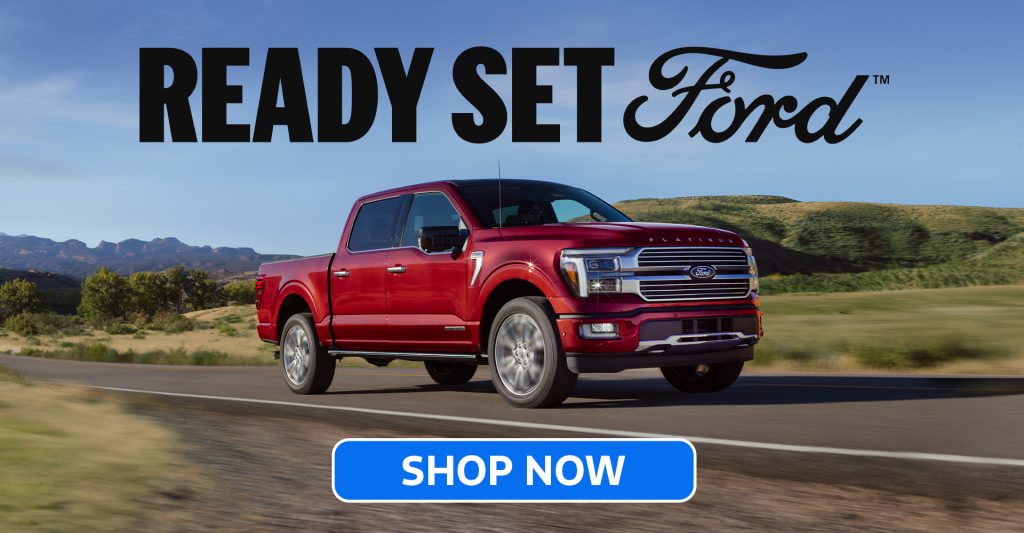
A New Era for the Blue Oval
Ford Motor Company is entering a bold new chapter, and Crossroads Ford of Siler City is excited to share what it means for our customers. The new global advertising platform, Ready Set Ford, is more than just a fresh look—it’s a strategic shift designed to connect with drivers in new and inspiring ways.
What is “Ready Set Ford”?
“Ready Set Ford” is Ford’s new advertising platform, built on the foundation of capability, passion, community, and trust. It’s designed to celebrate not only what Ford vehicles can do, but what they empower you to do.
This rebrand focuses on three key shifts:
- Highlighting Our Strengths – Ford’s legacy of strength, innovation, and trust remains front and center.
- Empowering Customers – The campaign celebrates the lifestyles Ford enables: building businesses, chasing thrills, and seeking adventure.
- Leading With What You Love – Expect more focus on the Ford vehicles and services that customers are most passionate about, from trucks to SUVs to performance icons.
Why It Matters
At its heart, Ready Set Ford is about you—the driver. Whether you’re pushing limits with a Ford Bronco, building your business with a Ford F-150, or heading out for family adventures in a Ford Explorer, this rebrand is about helping you live your best days behind the wheel.

Visit Crossroads Ford of Siler City
As your local Ford partner, Crossroads Ford of Siler City is proud to bring this new era to life. Stop by our showroom to see the latest Ford lineup and experience firsthand how Ready Set Ford is shaping the future of driving.
Ready. Set. Ford.

Ford F-150 vs. Chevy Silverado 1500: Head-To-Head Comparison
When it comes to full-size pickup trucks, the Ford F-150 vs. Chevy Silverado 1500 are two names at the top of everyone’s list. Both are icons in the segment, delivering performance, comfort, and style in ways that cater to hard workers and weekend adventurers alike. These models are leading full-size pickup trucks in the market, offering exceptional towing and payload capabilities for a variety of needs. But when it comes down to value, capability, and innovation, the Ford F-150 stands a step ahead. Come see for yourself at Crossroads Ford of Siler City, where we invite you to test-drive the Ford F-150 and experience the difference between the Ford F-150 vs. Chevy Silverado 1500 firsthand. This is a great opportunity to get behind the wheel of a new truck and let our team help you navigate the current truck market to find the perfect fit for you.
Rugged Design Meets Raw Power
Comparing the Ford F-150 vs. Chevy Silverado 1500, you’ll discover some surprising specs that make the Ford F-150 a standout choice. The Ford F-150 makes a bold entrance with sleek standard LED lighting, a black coast-to-coast grille, bed storage boxes, and functional design like Pro Power Onboard and dual front tow hooks. The Ford F-150 is available in a variety of body styles, including Regular Cab, SuperCrew®, and Super Cab configurations, as well as short and extended bed options, allowing you to choose the best fit for your needs. From eye-catching colors like Antimatter Blue Metallic to appearance packages like the STX® Black or Lariat® Black, the Ford F-150 allows full personalization. For added convenience, Ford offers a Twin-Panel Moonroof and the versatile Pro Access Tailgate swing-out door.
Under the hood, the Ford F-150 boasts a wide range of engine options to suit different needs. It starts strong with a 2.7L EcoBoost® V6 engine putting out 325 horsepower, and climbs to an impressive 3.5L PowerBoost® Full-Hybrid V6 delivering 430 horsepower and 570 lb.-ft. of torque. For the ultimate Ford F-150 power, the Ford F-150 Raptor® R™ contains a Supercharged 5.2L V8. The Chevy Silverado 1500 also has a variety of engine options, starting with the 2.7L TurboMax™, which puts out 310 horsepower, lower than the Ford’s standard. Its three other engine options aren’t able to surpass the Ford F-150’s torque maximum of 640 lb.-ft., only reaching up to 495 lb.-ft. If payload capacity is a priority, opt for the Ford F-150’s 3.5L EcoBoost® V6 offering a max payload of 2,440 lbs., a number the Chevy falls short of at up to 2,260 lbs. When you need muscle for towing, the Ford F-150 vs. Chevy Silverado 1500 towing capacity makes a clear distinction. The Ford reaches up to 13,500 lbs. of maximum towing capacity when properly equipped, beating the Chevy’s 13,300-lb. limit. Looking further, the Ford F-150 XLT vs. Chevy Silverado 1500 stands out with Ford’s Pro Trailer Backup Assist™ feature, along with several other towing tech additions. Towing adventures become simplified as a result, a feat that the Chevy Silverado 1500 couldn’t match.
Tech-Savvy Cabins Built for the Road Ahead
The Ford F-150 vs. Chevy Silverado 1500 interiors focus on intelligent tech and elevated comfort. The Ford’s standard 12-in. capacitive touchscreen with SYNC® 4 offers seamless Apple CarPlay® and Android Auto™. Productivity is always within reach with features like the available Interior Work Surface, Head-Up Display, and Ford BlueCruise for hands-free highway driving. The Ford F-150 stands out for its superior interior quality, especially in higher trims, offering premium materials and exceptional craftsmanship. The Chevy Silverado 1500, on the other hand, offers a 7-in. standard infotainment display with wireless smartphone connectivity, and even Google Built-In, but its standard tech starts lower and lacks Ford’s integrated work-focused features. The Ford F-150 vs. Chevy Silverado 1500 reliability don’t compromise when it comes to safety. Each model has its own suite of responsive safety features to ensure a smooth ride every time. With Ford’s Co-Pilot360® suite, you’ll get Pre-Collision Assist® with Automatic Emergency Braking, Lane Departure Warning, Adaptive Cruise Control, and more. The Chevy Safety Assist suite brings standard basics as well, but the Ford F-150 vs. Chevy Silverado safety comparison shows Ford’s robust and expandable suite adds more confidence for every mile.
The Truck For You
The Ford F-150 vs. Chevy Silverado 1500 brings impressive performance, style, and functionality to the table, but Ford edges out with greater payload, advanced hybrid power, superior tech integration, and better versatility for everyday use. Add in Ford’s trademark customization and intelligent driver assistance, and it’s clear the Ford F-150 stands in a class of its own. If you’re ready to get behind the wheel of one, visit Crossroads Ford of Siler City today!

Comparing Family-Friendly SUVs
Beginning with a look at what sets these vehicles apart, if you’re shopping for a spacious, family-friendly SUV with the power, safety, and tech to keep up with your life, chances are you’ve come across the Ford Explorer vs. Chevy Traverse debate. This article will cover everything from pricing and features to performance and cargo space. Both vehicles are three-row SUVs with room to grow—but dig a little deeper, and the Ford Explorer pulls ahead in key areas that matter most to today’s drivers. Whether you’re focused on performance, reliability, or real-world cargo space, this side-by-side comparison from Crossroads Ford of Siler City gives you the full picture.
Performance That Responds to You
In the Ford Explorer vs. Chevy Traverse specs showdown, Ford gives you choices built around power and efficiency. The Ford Explorer lineup features multiple engines, including a 300-horsepower turbocharged EcoBoost® with strong torque delivery and a 400-horsepower 3.0L V6 in the ST model.. This gives Ford Explorer drivers the flexibility to prioritize muscle or MPG depending on their lifestyle. The Ford Explorer can also tow up to 5,000 pounds, making it a strong choice for hauling trailers or boats.
The Chevy Traverse comes standard with a 328-horsepower 2.5L turbocharged engine, offering solid performance, but as expected, it lacks the range of powertrains or sport-tuned options found in the Ford Explorer. For drivers who want more than just “good enough,” the Ford Explorer answers the call with performance that fits the mission and delivers a controlled, confident ride.
Built for Every Day and Everywhere
When looking at Ford Explorer vs. Chevy Traverse cargo space, both SUVs offer plenty of room for families, gear, and groceries. The Chevy Traverse edges out slightly in overall maximum cargo capacity, offering up to 98 cu.ft. with the second and third rows folded—giving you impressive space with every row folded down. The Ford Explorer offers a competitive 85.8 cu.ft., but with a more versatile layout, including a customizable cargo management system and available PowerFold® third-row seats that make loading up simple and seamless. Both vehicles allow the second row to fold flat, making it easy to expand cargo space as needed. Storage solutions in both SUVs include clever compartments, cupholders, and center consoles to keep your items organized. Access to the third row is straightforward in both models, with tilt-and-slide second-row seats making it easier for passengers to reach the back. Large windows in both vehicles help create a sense of openness and improve visibility for third-row passengers. The design and functionality of the doors in each SUV also enhance entry and exit, with wide openings and thoughtful touches for convenience.
But here’s the real-world difference: the Ford Explorer’s more compact design makes it easier to park, maneuver, and drive in city settings without sacrificing everyday usability. It’s space where it matters—without the bulk.
Dependability You Can Count On
Long-term confidence is a must when choosing your next SUV, which makes the topic of Ford Explorer vs. Chevy Traverse reliability especially important. Buyers looking for a dependable three-row SUV prioritize reliability and long-term value to ensure their investment stands the test of time. Ford’s commitment to durability is backed by decades of proven performance on and off the road. With a rear-wheel drive platform at its core, the Ford Explorer delivers better towing, handling, and balance—giving it an edge in capability and longevity.
While the Chevy Traverse has made strides in recent model years, Chevy’s reliability scores have been hit or miss historically. The Ford Explorer, with its solid foundation and continued engineering refinement, offers peace of mind for families who plan to keep their vehicle for the long haul.
Interior Innovation and Comfort
When comparing features and cabin experience, the Ford Explorer vs. Chevy Traverse contest brings the interiors of both SUVs into focus, highlighting their design, materials, and technology. The interior quality of the Chevrolet Traverse stands out with its refined materials and fit and finish, while the Ford Explorer’s interior, though modern, sometimes falls short in perceived quality. Both vehicles offer leather seat upholstery options, with the Chevy Traverse providing premium leather on higher trims. The center of attention in both cabins is the center console, which is designed for maximum functionality and storage; the Chevy Traverse features a massive center console and a large 17.7-inch infotainment screen, enhancing the sense of space and luxury. Driver-focused technology is prominent, with both SUVs offering digital gauge clusters and advanced driver information centers.
Adaptive Cruise Control is standard on both models, though the Ford Explorer also includes Stop-and-Go and Lane Centering. Control of climate and infotainment systems is made easy with physical knobs in both vehicles, which many drivers prefer over touch-only interfaces. Google integration is available in the Chevy Traverse’s infotainment system, offering Google Maps and other services, while the Ford Explorer relies on its own updated Ford Digital Experience system. At startup, both vehicles quickly initialize their digital displays and infotainment systems, providing immediate access to key features. Standard equipment is generous in both, but the Ford Explorer is better equipped at the base level, including more safety and convenience features. Fog lamps are available on all Ford Explorer trims, and higher trims include LED fog lamps, giving it an edge in lighting.
The Ford Explorer’s shortcomings include less rear seat space and a smaller center console layout compared to the Chevy Traverse. Key differences between the two include interior space, technology integration, and seating flexibility. The Chevy Traverse RS trim brings sporty styling and unique features, appealing to those who want a more dynamic look. Chevrolet has equipped the Chevrolet Traverse with a user-friendly interface and practical features, making it a strong contender. In terms of second-row space and storage, the Chevy Traverse wins, offering more room and usability. On the flip side, the Ford Explorer offers more advanced driver assistance as standard. Wheel size also impacts ride quality, with larger wheels on both models affecting comfort and handling—buyers should consider this when choosing trims.
The Chevy Traverse offers a clean, user-friendly interface with a new 17.7-inch infotainment display, but its interior design remains more conventional, and many desirable features are only available on top trims. For drivers who want premium features without the premium price tag, the Ford Explorer delivers a better balance of value and innovation.
Which Is Better, Ford Explorer vs. Chevy Traverse?
So, which is better, Ford Explorer vs. Chevy Traverse? If you value performance variety, proven reliability, real-world versatility, and tech that enhances the drive—not complicates it—the Ford Explorer is the clear winner. It’s built for busy families, adventure seekers, and anyone who wants their SUV to do more than just get from one location to another.
Visit Crossroads Ford of Siler City today to explore the Ford Explorer in person. Take a test drive and experience the confidence, comfort, and capability that only Ford can deliver.

Venture Further With An SUV
If you’re in the market for a bold, adventure-ready SUV, chances are the Ford Bronco vs. Chevy Blazer match-up has made your shortlist. Both SUVs bring distinctive styling and solid features, but if you’re looking for rugged capability backed by a legendary off-road reputation, one of these stands out from the rest. At Crossroads Ford of Siler City, we’re breaking down this head-to-head comparison to help you decide which SUV is truly built for your journey.
Design That Makes a Statement
Let’s start with what you see first. The Ford Bronco embraces its iconic heritage with a boxy, utilitarian design, available removable doors and roof, and heavy-duty hardware that screams adventure. In contrast, the Chevy Blazer takes a more urban approach, featuring a sleek, sporty design inspired more by sedans than trail-ready vehicles.
When shoppers ask, “What’s the Chevy version of the Ford Bronco?,” the Chevy Blazer is often what comes to mind, but it’s important to note—Chevy’s Blazer is more of a stylish crossover than a direct off-road rival. If your idea of a perfect weekend includes mud, mountains, or beach trails, the Ford Bronco is the SUV that’s truly up for the challenge.
Beyond its rugged looks, the Ford Bronco stands out as a feature packed SUV, combining tough design with advanced features for drivers who want both style and capability.
Performance That Powers Adventure
In the Ford Bronco vs. Chevy Blazer specs comparison, the Ford Bronco comes out swinging. With up to 418 horsepower from its available 3.0L EcoBoost® engine in the Ford Bronco Raptor®, the Ford Bronco boasts more refined power and impressive engines that set it apart. Its standard 4×4 across the lineup means the Ford Bronco was built from the ground up for performance in the wild, offering a superior driving experience both on and off the road. Multiple G.O.A.T. Modes® (Goes Over Any Type of Terrain) give drivers the flexibility to tackle everything from sand to snow, ensuring the Ford Bronco’s wheel and traction systems handle whatever the road takes.
The Chevy Blazer, on the other hand, offers two engine options: a 2.0L turbo and a 3.6L V6, delivering up to 308 horsepower. The two vehicles’ powertrains differ not only in horsepower but also in torque, with the Ford Bronco’s powertrains providing greater torque for enhanced off-road capability. The Chevy Blazer comes standard as front-wheel drive, lacking the 4×4 capability of the Ford Bronco. While it performs well on pavement, it doesn’t match the off-road hardware, high ground clearance, or crawl capability that the Ford Bronco brings to the table. The Ford Bronco delivers more refined power and a superior driving experience, especially when the adventure takes you off the beaten path.
Versatility Meets Real Capability
The Ford Bronco vs. Chevy Blazer comparison becomes even clearer when you look at practical capability. The Ford Bronco offers two- and four-door configurations, removable panels, a washable interior with drain plugs, and a max towing capacity of 4,500 lbs. The Ford Bronco also stands out with its spacious and configurable interior, allowing you to adapt the cabin for passengers or cargo as needed. Behind the rear row and second row, the Ford Bronco provides greater cargo room than the Chevy Blazer, making it easy to pack luggage, camping supplies, and even bulkier adventure gear for your next trip. Its interior amenities and generous space are perfect for road trips with friends or family.
The Chevy Blazer? It’s limited to a more traditional five-passenger setup and caps towing at 4,500 lbs. as well with the top engine—without the same trail-rated credentials. Its cargo space and interior space do not reach the same level as the Ford Bronco, falling short in terms of cargo capacity and versatility.
If versatility and adventure-ready engineering are high on your priority list, the Ford Bronco doesn’t just compete—it dominates.
Durability and Reliability Where It Counts
Considering long-term value? Let’s talk Ford Bronco vs. Chevy Blazer reliability. The Ford Bronco has been engineered with serious durability in mind, riding on a body-on-frame chassis more commonly found in trucks. That design translates to stronger performance under stress and better long-term resilience in rugged conditions.
The Chevy Blazer, while generally reliable for daily driving, is based on a car-like unibody frame and prioritizes on-road comfort over rough-terrain toughness. If your lifestyle includes tough weather, back roads, or outdoor escapes, the Ford Bronco offers the kind of durability that gives you confidence for years to come.
Tech and Interior Comfort
Both the Ford Bronco and Chevy Blazer offer modern connectivity features like Apple CarPlay®, Android Auto™, touchscreen infotainment, and driver-assist systems. Both vehicles also come equipped with advanced infotainment systems and high-tech features that enhance connectivity, entertainment, and overall driving experience. The Ford Bronco’s infotainment system features a large in-car display that seamlessly connects smartphones, provides access to navigation, apps, and audio controls, and offers premium audio options. The available B&O® Sound System by Bang & Olufsen® includes twelve speakers, delivering high-end sound quality so you can enjoy your favorite songs with clarity and depth. In comparison, the Chevy Blazer offers a solid infotainment system with a user-friendly in-car display and available premium audio, but it falls short of the Ford Bronco’s advanced options and sound quality. While there are some Chevy Blazer offers on tech and audio packages, the Chevy Blazer’s system does not match the Ford Bronco’s twelve speakers or the immersive experience provided by the Bang & Olufsen system.
The Chevy Blazer focuses more on comfort than capability, with an interior geared toward daily commuting. It’s a great option for city dwellers but lacks the specialized features that make the Ford Bronco a true off-road companion.
Which SUV Wins? Ford Bronco vs. Chevy Blazer
So, which is better: Ford Bronco vs. Chevrolet Blazer? When you compare the Ford Bronco to the Chevrolet Blazer, it’s a close call—both SUVs offer impressive features and performance. However, the Ford Bronco is the better choice for most drivers, thanks to its superior off-road capabilities, advanced technology features, and versatile interior that’s perfect for both a quick trip around town and longer adventures.
Ready to experience how the Ford Bronco compares in person? Schedule a test drive at Crossroads Ford of Siler City and start your trade-in process today for a seamless upgrade. While you’re here, explore our full selection of Ford vehicles, including the rugged Ford Bronco Sport and other exciting models. Discover why the Ford Bronco stands out as the better choice in the Ford Bronco vs. Chevrolet Blazer comparison.
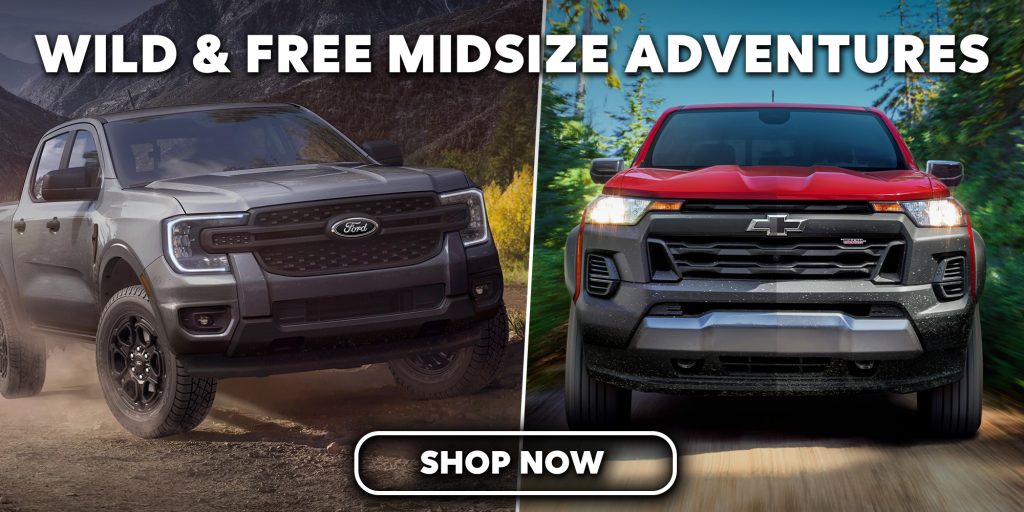
Midsize Trucks With Big Plans
In today’s dynamic truck market, two names stand out for drivers seeking a blend of capability, technology, and everyday practicality: the Ford Ranger vs. Chevy Colorado. While both models bring plenty to the table, the Ford Ranger carves out a unique advantage with unmatched versatility in the midsize truck segment. Visit Crossroads Ford of Siler City to test-drive your next pickup truck and explore how the Ford Ranger vs. Chevy Colorado stack up against one another.
Styled For All Your Needs
When comparing the Ford Ranger vs. Chevy Colorado in terms of design, the Ford features a rugged and stylish design highlighted by bold shoulder lines, efficient LED reflector headlamps with auto high beam, and a minimum 9.3 in. of ground clearance. It offers eight exterior color options and comes standard with the STX® Appearance Package, which includes 17-in. silver-painted aluminum wheels. On the other hand, the Chevy Colorado features a bold and modern exterior design, combining rugged functionality with sleek aesthetics. Its body lines are sharp and angular, giving the truck a muscular and aggressive stance, while only having 7.9 in. of minimum ground clearance. When looking at the Ford Ranger vs. Chevy Colorado size, the Chevy has a length of 213.02 in., while the Ford has an efficient 210.6-in. length that’s perfect for maneuvering city streets and navigating the unknown trails. These design specs showcase the Ford Ranger vs. Chevy Colorado and their approach to style versus everyday utility.
Getting More Out of Your Truck
When it comes to Ford Ranger vs. Chevy Colorado performance, the Ford strikes a smarter balance for everyday use. The Ford Ranger delivers the perfect blend of efficiency and performance, thanks to its three engine options. The standard 2.3L EcoBoost® engine puts out an efficient 270 horsepower and 310 lb.-ft. of torque, giving drivers a smooth and powerful ride that’s perfect for daily commuting and weekend escapes. For more muscle, the available 2.7L EcoBoost® engine produces 400 lb.-ft. of torque to optimize off-road adventures. In contrast, the Chevy Colorado offers only the 2.7L TurboMax™ engine, which delivers 310 horsepower and 430 lb.-ft. of torque, which is great for heavy-duty tasks, but with less efficiency. If you want to tame the unknown trails, the Ford Ranger Raptor vs. Chevy Colorado ZR2 is also something to consider. The Ford was built specifically for off-roading, standing out with its 3.0L EcoBoost® V6 engine delivering 405 horsepower, which is significantly more than the Chevy Colorado ZR2 for an even more immersive off-road experience.
Looking at the Ford Ranger vs. Chevy Colorado towing capacity, the Ford holds its own with up to 7,500 lbs. when equipped with the Trailer Tow Package. This is more than enough for hauling gear, a weekend trailer, or a small boat. At the same time, you can expect an EPA-estimated 23 MPG combined and traveling up to 460 miles on a full tank. Examining the Ford Ranger vs. Chevy Colorado, you’ll notice that the Chevy offers slightly more towing capacity of up to 7,700 lbs., but that strength comes with added size and cost. This includes an EPA-estimated 20 MPG combined and traveling up to 428 miles on a full tank. In the Ford Ranger vs. Chevy Colorado debate, Ford wins for drivers who need capable performance without compromising everyday efficiency.
An Interior Catered to Optimization
Tech-savvy shoppers comparing the Ford Ranger vs. Chevy Colorado will appreciate the Ford’s available 12-in. SYNC® 4A touchscreen, wireless Apple CarPlay®, Android Auto™, and FordPass Connect®. These features create a seamless, connected driving experience that’s hard to match. The Chevy Colorado includes modern touches like Google Built-In and an 11.3-in. screen, but falls just short of the Ford Ranger’s intuitive and advanced setup. From infotainment to connectivity, the Ford Ranger vs. Chevy Colorado tech comparison clearly favors the Ford’s in practicality and ease of use. In the Ford Ranger vs. Chevy Colorado interior comparison, the Ford’s smarter space use and urban-friendly design make it the more versatile choice.
Trucking Along
When weighing the Ford Ranger vs. Chevy Colorado, it’s clear the Ford is the go-to for drivers seeking a versatile pickup that’s big on efficiency, tech, and off-road adventures. Its innovative features and rugged capabilities make it a perfect fit for the urban setting and job sites. While the Chevy Colorado offers slightly more towing and a bolder presence, it falls short in other areas. In the Ford Ranger vs. Chevy Colorado showdown, the Ford offers more of what modern drivers are looking for with application for their daily lives. Visit Crossroads Ford of Siler City to test-drive your winner today!

Ford Escape vs. Chevy Equinox: The Compact SUV For All Your Commutes
When it comes to selecting the right compact SUV for your daily commutes and weekend adventures, the Ford Escape vs. Chevy Equinox present compelling choices. Each model is a unique blend of style, performance, and features that are tailored to meet the needs of modern drivers. Whether you prioritize efficiency, space, or advanced technology, both the Ford Escape and Chevy Equinox are designed to elevate your driving experience. In this comparison, we’ll dive into the key differences and similarities between these two popular SUVs, helping you determine which is better—the Ford Escape or Chevy Equinox—for your lifestyle. Visit Crossroads Ford of Siler City to test-drive one today!
A Sleek Statement on the Road
When it comes to making a lasting impression, both the Ford Escape vs. Chevy Equinox offer sleek and modern designs. The Ford Escape shines with its refined exterior, boasting features like the available Panoramic Vista Roof® and LED Light Bar that add a touch of sophistication to its athletic stance. On the other hand, the Chevy Equinox has a bold and dynamic exterior with its iconic front grille and sleek tail lamps. The available two-toned roof option adds an extra layer of customization, while its strong, confident lines convey a sense of durability and adventure. However, while the Chevy Equinox certainly exudes charm, the Ford Escape vs. Chevy Equinox comparison shows that the Ford Escape’s design stands out with more luxury-oriented touches, like the panoramic roof and sleek LED elements, providing a premium feel at a competitive price.
Performance & Power: Efficient and Versatile
The Ford Escape vs. Chevy Equinox comparison highlights the Ford Escape’s versatile range of powertrain options. Starting with the 1.5L EcoBoost® engine that delivers 180 horsepower and 199 lb.-ft. of torque, the Ford Escape achieves up to an EPA-estimated 27 MPG in the city and 34 MPG on the highway on FWD models. For eco-conscious drivers, the available 2.5L I-4 hybrid engine provides impressive fuel efficiency, reaching up to 42 MPG in the city and 36 MPG on the highway, optimizing all of your commutes. The Ford Escape also offers selectable drive modes, including Eco, Sport, and Slippery, for a more tailored driving experience. In contrast, the Chevy Equinox features a 1.5L Turbo 4-cylinder engine that produces 175 horsepower and 203 lb.-ft. of torque, with an EPA-estimated 26 MPG in the city and 28 MPG on the highway in FWD models. While the Chevy Equinox offers reliable performance, it doesn’t match the Ford Escape’s efficiency or hybrid option. Additionally, the Ford excels in towing up to 3,500 lbs. when it’s equipped with the Class II Trailer Tow Package, while the Chevy Equinox is limited to a maximum tow of 1,500 lbs., making the Ford Escape vs. Chevy Equinox performance comparison clearly in favor of the Ford Escape’s versatility.
Interior & Comfort: Space to Stretch Out
The Ford Escape vs. Chevy Equinox offer spacious, comfortable interiors that are perfect for family trips, daily commutes, or outdoor adventures. However, the Ford Escape stands out with its generous 40.7 in. of legroom in the second row, and when the seats are folded down, it provides a roomy 65.4 cu.ft. of cargo space, which is ideal for all your luggage, sports gear, or shopping. The Ford Escape also shines with its premium features, including the available 13.2-in. SYNC® 4 touchscreen, which is larger and more intuitive than the 11.3-in. system in the Chevy Equinox. While the Chevy SUV also offers a spacious cabin and up to 63.5 cu.ft. of cargo room, its tech offerings lag slightly behind the Ford Escape, making the Ford a better choice for those who value cutting-edge technology. With advanced interior features like a heated steering wheel and an upgraded center console, the Ford Escape vs. Chevy Equinox comparison tips the scale in favor of the Ford Escape’s superior space and versatility, making it the ideal SUV for those who need comfort and practicality on every journey.
Confidence on Every Drive
Safety is a top priority for the Ford Escape vs. Chevy Equinox, with each offering advanced driver-assistance features to provide peace of mind on the road. The Ford Escape comes standard with Ford Co-Pilot360®, a suite of features that includes Blind Spot Information System (BLIS®), Pre-Collision Assist with Automatic Emergency Braking, and Lane-Keeping System. These features work together seamlessly to help keep drivers aware of their surroundings and avoid potential hazards. Similarly, the Chevy Equinox comes equipped with the Chevy Safety Assist suite, which includes features like Automatic Emergency Braking, Forward Collision Alert, and Lane Departure Warning. The addition of optional features like Rear Pedestrian Alert and OnStar services ensures drivers have access to 24/7 live advisors and additional support.
While both vehicles offer a strong commitment to safety, the Ford Escape vs. Chevy Equinox safety features comparison shows that the Ford Escape’s standard safety system provides a broader range of features, particularly with the inclusion of BLIS® as a standard option, which may provide an added layer of security for those concerned about blind spots and changing lanes.
Leading the Way to Your SUV
When comparing the Ford Escape vs. Chevy Equinox, it’s clear that both are excellent compact SUV choices, each offering a blend of style, performance, comfort, and safety. However, the Ford Escape takes the lead with exceptional fuel efficiency and its impressive towing capacity, making it an ideal choice for those who want a versatile, performance-driven vehicle that can handle a variety of driving scenarios. If you’re still wondering about Ford Escape vs. Chevy Equinox reliability, it comes down to personal preference, but see for yourself by taking one for a test-drive at Crossroads Ford of Siler City today!

Your Ultimate Travel Companion: The Ford Bronco Sport vs. Chevy Trailblazer
When you’re choosing your next adventure-ready SUV, it’s important to weigh the options carefully. Both the Ford Bronco Sport vs. the Chevy Trailblazer offer exciting features, but let’s explore what sets them apart. In our blog from Crossroads Ford of Siler City, you’ll soon discover why the Ford Bronco Sport might be your ultimate travel companion.
Designed for the Road Less Traveled
While the Chevy Trailblazer is built for city streets and lighter adventures, the Ford Bronco Sport is designed with serious off-roaders in mind. Its rugged, bold design features brush guards, fender tie-downs, and robust steel-plated bumpers, ensuring it stands up to tough conditions. Combine that with the HOSS suspension system for enhanced steering and handling, and the Ford Bronco Sport is clearly ready for the most challenging terrains. In a Ford Bronco Sport vs. Chevy Trailblazer context, the Ford’s off-road capabilities certainly trump the more urban-focused Chevy Trailblazer.
Prepared for Adventure
The Chevy Trailblazer is undeniably eye-catching with its vibrant paint options like Marina Blue Metallic and Nitro Yellow Metallic, and its two-tone roofline adds an extra touch of style. Plus, with a fuel-efficient EPA-estimated 29 MPG in the city and 33 MPG on the highway, the Chevy Trailblazer is ready for those long stretches of highway, while offering up to 174 lb.-ft. of torque for moderate towing needs.
However, if you’re seeking a true adventure companion, the Ford Bronco Sport takes it to the next level. With 4×4 capabilities and five G.O.A.T. Modes®, this small SUV is engineered for rugged trails and off-road exploration. Whether you choose the standard 1.5L EcoBoost® engine with 180 horsepower or the available 2.0L EcoBoost® engine that delivers a powerful 250 horsepower and 280 lb.-ft. of torque, the Ford Bronco Sport gives you serious muscle for both on-road and off-road adventures. It also boasts a maximum towing capacity of 2,700 lbs. when equipped with the Class II Trailer Tow Package, making it a clear leader in terms of towing capacity compared to the Chevy Trailblazer’s available towing capacity of 1,000 lbs. When you think about off-road capability, the comparison of the Ford Bronco Sport vs. Chevy Trailblazer shows that the Ford stands out in the rugged SUV category.
A Comfortable Oasis
Step inside the Chevy Trailblazer, and you’ll find a stylish and comfortable interior, with features like Jet Black/Artemis seating accents, and an available heated steering wheel. For those long trips, this Chevy offers 54.4 cu.ft. of cargo space, and the front passenger seat folds down to fit items up to 8.5 ft. long. On the other hand, the Ford Bronco Sport offers even more interior versatility with up to 65.2 cu.ft. of cargo space and the option of a durable, easy-to-clean interior that’s perfect for life on the trail. The Ford Bronco Sport’s contoured bucket seats comfortably accommodate up to five passengers, and the available Cargo Management System maximizes your storage space even further. Plus, you can take in the sights and sounds of your surroundings with an optional power moonroof, adding an extra layer of enjoyment to your drives, whether you’re cruising on the highway or navigating rugged trails. When comparing the Ford Bronco Sport vs. Chevy Trailblazer scenario, the Ford certainly outshines in terms of cargo space and off-road flexibility.
Tech and Convenience
The Chevy Trailblazer keeps you connected with modern conveniences like its 11-in. touchscreen, and the available hands-free power programmable liftgate is a nice touch when your hands are full. Additionally, the Chevy Trailblazer comes equipped with Chevy Safety Assist, including Automatic Emergency Braking and Forward Collision Alert, giving you added peace of mind on the road.
However, the Ford Bronco Sport ups the ante with its standard 13.2-in. touchscreen that runs the SYNC® 4 infotainment system. Not only can you conveniently access Apple CarPlay® and Android Auto™, but the Ford Bronco Sport also offers available voice-activated navigation and advanced safety features like Ford Co-Pilot 360® Assist+, BLIS® with Cross-Traffic Alert, and more. With its 360-degree camera and other safety options, the Ford Bronco Sport offers a more comprehensive suite of tech and safety features to make your journeys even more enjoyable and secure. When comparing tech features in this segment between theFord Bronco Sport vs. Chevy Trailblazer, the Ford edges ahead with superior standard tech and safety systems.
Get Behind the Wheel
The Ford Bronco Sport vs. Chevy Trailblazer offer impressive features, but if you’re looking for an SUV that blends style with serious off-road capability, ample interior space, and cutting-edge tech, the Ford Bronco Sport takes the lead. Whether you’re navigating city streets or taking on rugged trails, it has the power, comfort, and versatility you need to redefine your adventures. And when you consider the Ford Bronco Sport vs. Chevy Trailblazer reliability, Ford’s renowned durability makes it a trusted partner for all your journeys. Ready to forge your path? The Ford Bronco Sport is waiting for you at Crossroads Ford of Siler City!
Ford F-150 Cost of Ownership
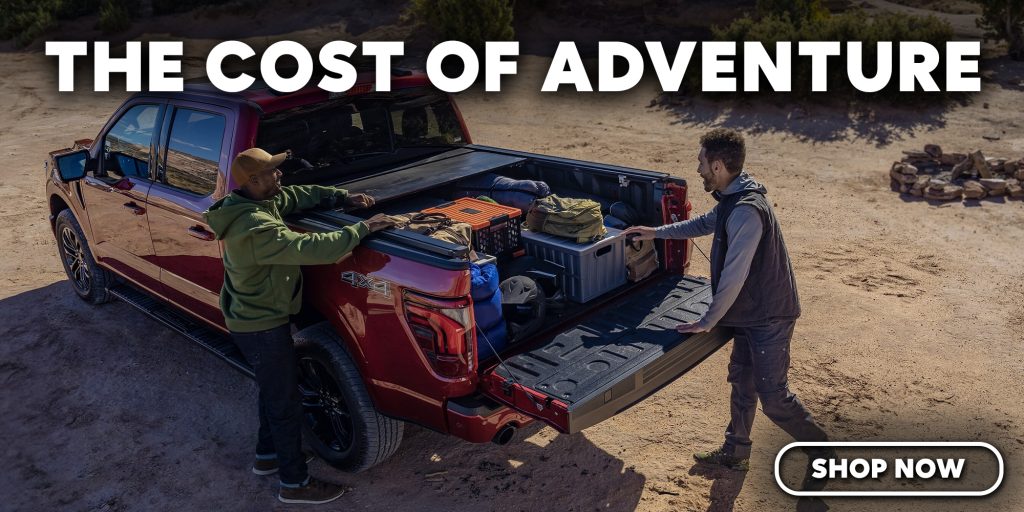
Ford F-150 Cost: A Comprehensive Guide to Ownership
Thinking about adding a Ford F-150 to your fleet? Before you make your choice, it’s essential to understand the true cost of ownership. While the Ford F-150 is renowned for its versatility, power, and features, the total financial commitment extends beyond the initial purchase price. At Crossroads Ford of Siler City, we’ll review the intricacies of Ford F-150 ownership cost, from financing options to ongoing maintenance costs in order to provide you with the information you need to make an informed decision. Visit us in Siler City, NC, to get started!

The Starting Price & Payment Options
The Ford F-150’s initial price ranges from around $38,000 to $77,000, depending on trim level, engine, and features. While this starting price may be higher than what you would find in conventional cars, the Ford F-150’s slower depreciation and extreme performance features increase long-term value. By researching current market values and getting professional appraisals for your trade-in, you can negotiate the best possible deal on your next truck.
Financing options are influenced by your creditworthiness, loan duration, and down payment. Monthly payments for the Ford F-150 can fluctuate significantly depending on the financing terms you select. For those considering leasing, lower monthly payments make it an attractive option for many drivers.
Remember that prevailing Ford F-150 interest rates can affect your overall financing costs. To secure the best possible deal, stay informed about current market trends and explore various financing options.
How Much Can You Get Out of Your Ford F-150? Depreciation & Resale Value
When calculating the total cost of ownership for a Ford F-150, depreciation and resale value are key factors to consider. Over five years, the estimated cost of ownership settles at around $58,000 to $69,000, depending on the trim level and how you’ve used it.
Several factors can influence the depreciation of your truck, including trim level, engine, transmission, drivetrain, and overall condition. To minimize depreciation and maximize resale value, prioritize costs on the Ford F-150’s tune-ups, regular maintenance, and avoid excessive mileage when driving.
The resale value of a Ford F-150 can vary based on location, trim level, and vehicle condition. By carefully comparing depreciation rates and resale values, you can make an informed decision when purchasing this truck, ensuring you get the most value for your investment.
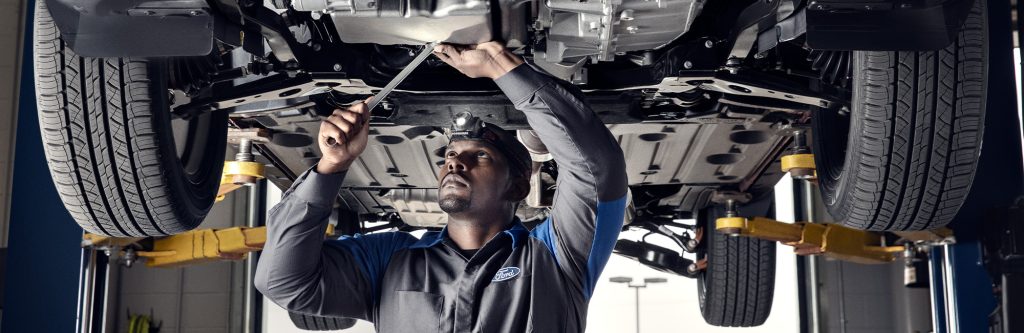
Ford F-150 Insurance & Maintenance Costs
Over a five-year period, insurance costs for a Ford F-150 are estimated to be between $5,000 to $16,000. Insurance premiums depend on your location, coverage type, and your driving record. To ensure you’re getting the best possible rates, compare quotes from multiple insurers. Ford Insure is also a reliable option.
Maintenance costs for the Ford F-150 are estimated to be between $5,000 and $6,000 over the course of five years. Taking care of your ride not only helps prolong the life of your vehicle, but it can also lead to long-term cost savings.
Customizing Your Truck
The Ford F-150 offers a diverse selection of customization options to cater to your individual needs and preferences. From exterior upgrades like wheels, tires, and trim kits to interior enhancements such as seats, dash trim, and infotainment systems, you can personalize your truck to your preferences.
Advanced technology and safety features like SYNC 4®, smartphone integration, Pro Trailer Backup Assist™, and the Blind Spot Information System can significantly elevate your driving experience and provide added convenience. These features add to the overall value of your truck.
Ford offers a variety of packages and options, like the FX4 Off-Road Package® and the Tow/Haul Package, to help you tailor your Ford F-150 to your specific needs. Additionally, aftermarket accessories and modifications can further enhance the vehicle’s performance, appearance, and functionality.
When customizing your rugged companion, consider factors like warranty, maintenance, and insurance costs to ensure you’re making informed decisions. It’s because customizations can add significant value to your ride, with a potential impact on resale value and overall cost.
A Capable Performer
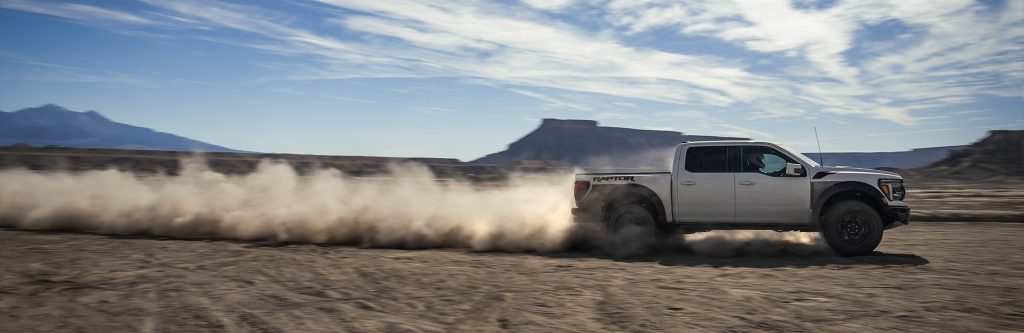
The Ford F-150 is celebrated for its exceptional performance and versatility, making it an ideal choice for both work and leisure. With a variety of engine options, including the powerful 3.5L hybrid engine and the robust 5.0L V8, this truck delivers impressive towing and hauling capabilities to meet your demands.
Advanced technology features like Pro Trailer Hitch Assist™ simplify towing and hauling. When driving on the road and different terrains, the Ford F-150’s four-wheel drive system, available Hill Descent Control™, and Terrain Management System™ provide exceptional off-road performance.
The payload capacity and maximum towing capacity of the Ford F-150 vary depending on trim level, engine, and drivetrain. To ensure optimal performance and capabilities, consult the specifications for your specific vehicle and adhere to a regular maintenance schedule.
Total Cost to Purchase Your Ford F-150
The total cost of ownership for a Ford F-150 over five years is approximately $58,000 to $69,000, encompassing financing, insurance, depreciation, and maintenance costs.
While traditional cars often depreciate by around 20% in the first year, the Ford F-150 exhibits significantly slower depreciation, demonstrating its superior value retention. Understanding the vehicle’s long-term value can assist you in making an informed purchase decision, making the Ford F-150 a wise choice if you aim to minimize your overall cost of ownership. By understanding these, you can make a smart decision and get the best value for your money. If you’re ready to put what you know into practice, visit Crossroads Ford of Siler City to find your perfect truck today!
Ford Explorer Cost of Ownership

Ford Explorer Cost: The Pricing & Ownership Expenses
The Ford Explorer is a midsize SUV that offers versatility and performance. Before purchasing a new Ford Explorer, it’s important to understand the total cost of ownership. This includes the purchase price, insurance, depreciation, and maintenance costs. Crossroads Ford of Siler City provides a comprehensive guide to help you make an informed decision.

Initial Purchase Price & Incentives
The Ford Explorer has a starting price range of around $48,000 to $51,000. The final cost depends on the trim level, options, and model year. Dealerships often offer incentives and discounts to lower the purchase price. When negotiating, consider the invoice price, current market value, and available rebates. Additionally, the initial purchase price can significantly impact the Ford Explorer’s resale value over time, affecting how much it retains after ownership for a number of years.
Numerous Features to Enjoy: The Specs
The Ford Explorer offers a 13.2-in. touchscreen infotainment system, a redesigned dashboard, and a standard third-row seat. The infotainment system allows users to stream videos from YouTube while the vehicle is parked. Engine options range from a 2.3L turbocharged 4-cylinder to a 3.0L twin-turbo V6. The 2.3L engine delivers 300 horsepower and 310 lb.-ft. of torque, while the 3.0L engine delivers 400 horsepower and 415 lb.-ft. of torque. Both engines are paired with a 10-speed automatic transmission and are available in rear-wheel drive or all-wheel drive configurations.
The 2025 Ford Explorer’s fuel economy lets you cover more distance at an EPA-estimated 21 MPG in the city and 28 MPG on the highway. However, keep in mind that the specific fuel economy of your next ride will depend on more factors including driving conditions and your driving style. The cost of fuel is another crucial expense to consider.
The Ford Explorer can achieve a maximum towing capacity of up to 5,000 lbs., letting you optimize your SUV’s versatility. This is perfect for towing small to medium-sized trailers. However, towing heavy loads can lead to increased wear and tear, affecting depreciation and maintenance costs.
Ford Co-Pilot360® offers various safety features, including a Blind-Spot Monitoring system, Lane Departure Warning, and Forward Collision Warning, to assist you when you need it.

Choosing the Right Ford Explorer for Your Needs
Selecting the perfect Ford Explorer for your needs involves several key considerations. Here are some tips to help you make an informed decision.
Determine Your Budget: Start by considering your purchase price, monthly payment, and interest rates. Knowing these will give you insight into how much you can afford to spend on a Ford Explorer.
Assess Your Needs: Think about how you plan to use your Ford Explorer. If it’s primarily for daily commuting, a base model might suffice. However, if you need a vehicle for off-road adventures or towing, you might want to opt for a higher trim level.
Research Different Model Years: Compare depreciation rates, maintenance costs, and resale values for different model years. This will help you find the best value for your money.
Test-Drive Different Trims: Take various trim levels for a test drive to see which one best suits your needs and preferences.
Consider Certified Pre-Owned Options: If you’re looking for a used Ford Explorer, consider Ford Blue Advantage certified pre-owned options. These vehicles have been thoroughly inspected across numerous categories by professionals, offering added peace of mind.
By taking these factors into account, you can choose the right Ford Explorer that fits your needs and budget, ensuring you get the best value for your money.
Five Years of Ownership: The Costs Involved
The Ford Explorer’s estimated five-year cost is between $59,000 and $75,000. This includes depreciation, taxes, fees, financing, and insurance. Comparing the Ford Explorer’s costs with other cars over five years, as well as with other SUVs and midsize SUVs, can provide a broader market context. Using an online calculator and comparing costs with similar vehicles can help you make a more informed decision.

The Cost of Insurance & Maintenance
Insurance for a Ford Explorer costs around $4,000 to $11,000 for five years. The cost varies based on trim level, options, and driving history. Shop around for the best rates and consider bundling policies. If you’d like to stick to branded coverage, Ford offers Ford Insure for all your needs.
In five years of ownership, maintenance costs for the Ford Explorer can range from $3,000 to $4,000, but repair costs can fluctuate depending on the vehicle’s age, mileage, and specific issues. If you consider extended warranties, they’ll help protect you from unexpected repairs. Additionally, researching the reliability and durability of the Ford Explorer can help you anticipate potential long-term costs.
Extra Protection: Warranty & Extended Warranty
Ford offers a 3-year/36,000-mile basic warranty and a 5-year/60,000-mile powertrain warranty. This coverage can reduce the overall cost of ownership. If you’re concerned about future maintenance costs, consider Ford Protect, an extended warranty program with packages that are tailored specifically to your needs with plans that cover theft, dents, tires, vehicle components, and so much more.
Own Your Ford Explorer Today
The Ford Explorer is a versatile midsize SUV with a range of features and options. When you’re looking to buy one, consider maintenance costs, insurance expenses, and overall value to ensure you’re making the best choice for you. By researching these, as well as the Ford Explorer’s features, trim levels, and depreciation rate, you’re guaranteed to find your perfect match. That being said, the overall cost of owning this SUV after five years is around $59,000 to $75,000. Now that you’re more familiar with the cost of owning a Ford Explorer, visit Crossroads Ford of Siler City for a test drive today!
Ford Escape Cost of Ownership
Ford Escape Cost: The Pricing & Ownership Expenses
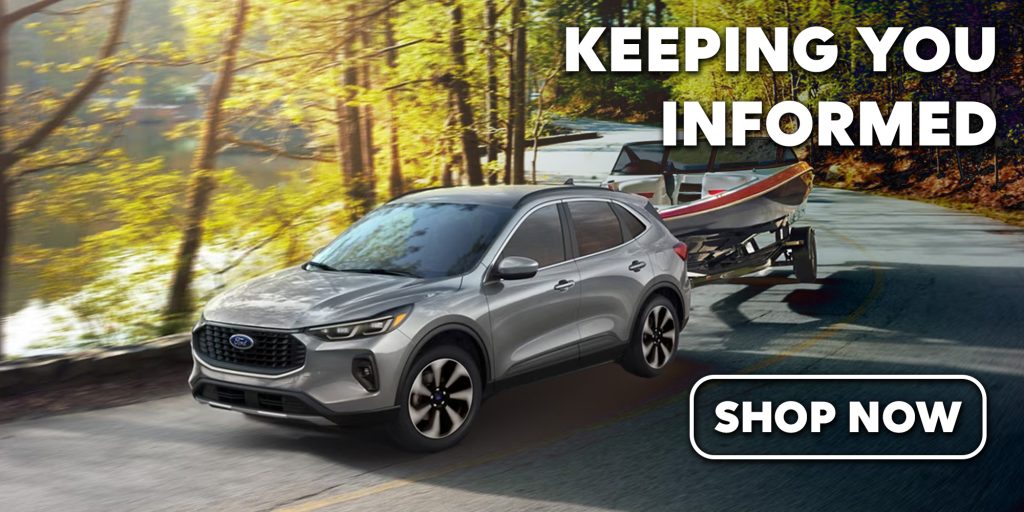
If you want a compact SUV that offers a smooth and technologically advanced riding experience, then the Ford Escape is the one for you. Before purchasing a new Ford Escape, it’s important to understand the total cost of ownership. This includes the purchase price, insurance, depreciation, and maintenance costs. Crossroads Ford of Siler City provides a comprehensive guide to help you make an informed decision. Let’s get started!

Initial Purchase Price & Incentives
The Ford Escape has a starting price range of around $30,000-41,000. The final cost depends on the trim level, options, and model year. Dealerships often offer incentives and discounts to lower the purchase price. When negotiating, consider the invoice price, current market value, and available rebates. Additionally, the initial purchase price can significantly impact the Ford Escape’s resale value over time, affecting how much it retains after ownership for a number of years.
Numerous Features to Enjoy: The Specs
When you first encounter the Ford Escape, you’re met with an eye-catching style that’ll complement the standard features, including 17-in. Shadow Silver-Painted Aluminum Wheels, a Power Liftgate, and a captivating silhouette. Optional features include a panoramic Vista Roof® and a striking LED Light Bar. Under the hood, the standard 1.5L EcoBoost® engine delivers a smooth and responsive ride with 180 horsepower and 199 lb.-ft. of torque. Paired with AWD, an impressive fuel efficiency lets you achieve up to an EPA-estimated 26 MPG in the city and 32 MPG on the highway. For even greater fuel economy, the available 2.5L I-4 hybrid engine boasts up to 42 MPG in the city and 36 MPG on the highway. You can also tow up to 3,500 lbs. for all your rugged needs with the available 2.0L EcoBoost® AWD engine and Class II Trailer Tow Package. Keep in mind that these enhancements will increase the cost of a Ford Escape.
The spacious cabin comfortably accommodates up to five passengers, making it perfect for daily commutes, weekend getaways, or family adventures. When you need extra cargo space, simply fold down the second-row seats to reveal a maximum cargo capacity of 65.4 cu.ft. Stay connected and entertained with the SYNC® 4 infotainment system, displayed on an 8-in. LCD touchscreen and compatible with Apple CarPlay® and Android Auto™. Ford Co-Pilot360® comes standard, offering a suite of driver-assistance features, including Blind Spot Information System (BLIS®), Pre-Collision Assist with Automatic Emergency Braking, and more.

Choosing the Right Ford Escape for Your Needs
Selecting the perfect Ford Escape for your needs involves several key considerations. Here are some tips to help you make an informed decision.
Determine Your Budget: Start by considering your purchase price, monthly payment, and interest rates. Knowing these will give you insight into how much you can afford to spend on a Ford Escape.
Assess Your Needs: Think about how you plan to use your Ford Escape. If it’s primarily for daily commuting, a base model might suffice. However, if you need a vehicle with more pep or style, upgrading to available features or higher models might be what you need.
Research Different Model Years: Compare depreciation rates, maintenance costs, and resale values for different model years. This will help you find the best value for your money.
Test-Drive Different Trims: Take various trim levels for a test drive to see which one best suits your needs and preferences.
Consider Ford Blue Advantage Options: If you’re looking for a used Ford Escape, consider Ford Blue Advantage certified pre-owned options. These vehicles have been thoroughly inspected across numerous categories by professionals, offering added peace of mind.
By taking these into consideration, you can choose the right Ford Escape that fits your needs and budget, ensuring you get the best value for your money.

Five Years of Ownership: The Costs Involved
The Ford Escape’s estimated five-year cost is between $43,000-57,000. This includes depreciation, fuel, taxes, fees, financing, and insurance. Comparing the Ford Escape’s costs with other cars over five years, as well as with other SUVs in its class, can provide a broader market context. Using an online calculator and comparing costs with similar vehicles can help you make a more informed decision.
The Cost of Insurance & Maintenance
Insurance for a Ford Escape costs around $4,000-14,000 for five years. This varies based on trim level, options, and driving history. Shop around for the best rates and consider bundling policies. If you’d like to stick to branded coverage, Ford offers Ford Insure for all your needs.
In five years of ownership, maintenance costs for the Ford Escape can range from $3,000 to $5,000, but repair costs can fluctuate depending on the vehicle’s age, mileage, and specific issues. If you consider extended warranties, they’ll help protect you from unexpected repairs. Additionally, researching the reliability and durability of the Ford Escape can help you anticipate potential long-term costs.
Extra Protection: Warranty & Extended Warranty
Ford offers a 3-year/36,000-mile basic warranty and a 5-year/60,000-mile powertrain warranty. This coverage can reduce the overall cost of ownership. If you’re concerned about future maintenance costs, consider Ford Protect, an extended warranty program with packages that are tailored specifically to your needs with plans that cover theft, dents, tires, vehicle components, and so much more.
Own Your Ford Escape Today
The Ford Escape is the preferred option for those wanting a blend of comfort, style, and performance. When you’re looking to buy one of these efficient compact SUVs, consider maintenance costs, insurance expenses, and overall value to ensure you’re making the best choice for you. By researching these, as well as the Ford Escape’s features, trim levels, and depreciation rate, you’re guaranteed to find your perfect match. That being said, the overall cost of owning this ride after five years is around $43,000-57,000. If you’re prepared for the cost of owning a Ford Escape, visit Crossroads Ford of Siler City for a test drive today!
Connect with us

